TPO Roofing: Expert Guide for Flat Roofs
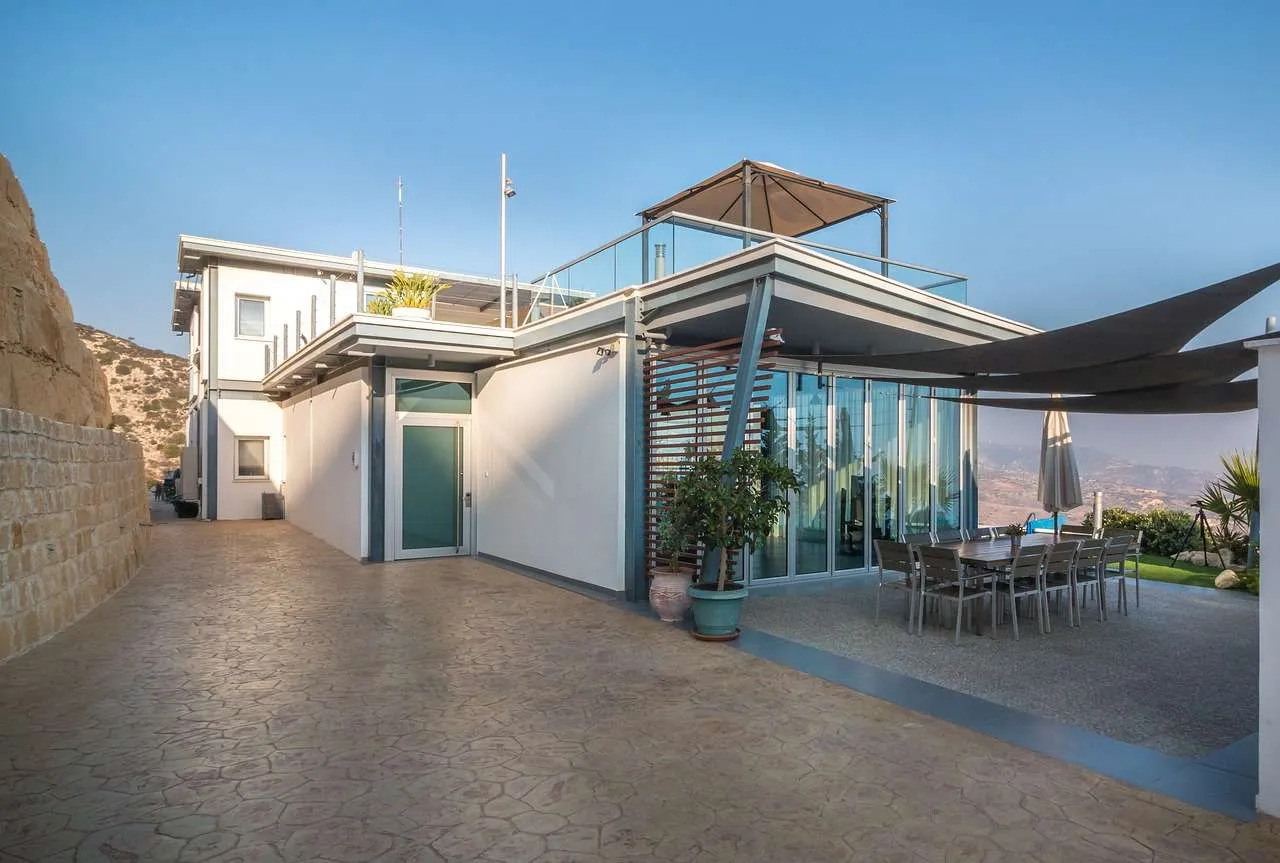
TPO Roofing, short for thermoplastic polyolefin, is a popular single ply membrane designed for flat and low slope roofs. It blends durability, energy efficiency, and relative ease of installation. Because the surface is typically white or light tan, TPO roofs reflect sunlight to help reduce cooling loads in warm climates. This combination of properties has made TPO a leading choice for commercial buildings and many modern homes with flat or low pitch roofs.
What is TPO Roofing?
TPO is a single ply membrane made from a blend of polypropylene and ethylene propylene rubber. It is manufactured in sheets that are heat welded at the seams to create a continuous water barrier. Modern TPO membranes are engineered for UV resistance, flexibility in varying temperatures, and compatibility with several installation methods including fully adhered, mechanically fastened, and ballasted systems. The material is relatively lightweight, which reduces structural load during installation and can speed up projects.
Benefits of TPO Roofing
- High reflectivity lowers cooling costs and urban heat island effects.
- Good resistance to UV radiation, ozone, and weathering.
- Seam strength via heat welding creates a watertight seal.
- Flexible for varying temperatures and easier repairs or patching compared to some alternatives.
- Lower material cost than PVC while offering good durability.
Common Drawbacks
- Quality and performance can vary by manufacturer; not all membranes are equal.
- Puncture risk on exposed roof surfaces if sharp objects are walked on or heavy equipment passes over.
- Adhesive bonded systems can degrade in extreme temperatures if not installed properly.
- Some older TPO formulations may experience shrinking or seam issues if seam welding is not done correctly.
Installation and Maintenance
There are three common installation methods for TPO roofs: fully adhered, mechanically fastened, and ballasted. Fully adhered systems use specialty primers and adhesives to bond the membrane to the deck, while mechanically fastened systems rely on screws and plates to secure the sheet. Ballasted systems use ballast material such as gravel or pavers. Regardless of method, all seams must be heat welded with a hot air welder and inspected for proper fusion. Regular maintenance includes periodic roof inspections, clearing drains and debris, and promptly addressing any punctures or seam damage. A qualified roofer should perform inspections at least annually and after major weather events.
Cost and Longevity
Costs vary by thickness, warranty, and labor, but typical installed prices for TPO range from moderate to mid range among flat roof systems. Expect roughly five to eight dollars per square foot installed for standard 45 mil membranes, with higher prices for 60 mil variants or enhanced warranties. Longevity commonly ranges from 15 to 25 years, with some premium installations lasting longer when properly maintained. The actual lifespan depends on climate, foot traffic, substrate compatibility, and the quality of installation and membrane.
Comparisons with Other Flat Roof Systems
| System | Material | Lifespan | Energy | Pros | Cons |
|---|---|---|---|---|---|
| TPO | Thermoplastic membrane | 15-25 years | High | Lightweight, cost effective, heat weldable seams | Quality varies, puncture risk |
| EPDM | Rubber membrane | 25-30 years | Moderate | Very durable, flexible in cold | Seams may rely on adhesives |
| PVC | Polyvinyl chloride membrane | 20-30 years | Very high | Durable, heat welded seams, chemical resistance | Higher cost, environmental concerns |
| Asphalt BUR | Built up or modified bitumen | 15-25 years | Low to moderate | Proven track record, cost effective | Heavy, less reflective, maintenance heavy |
Choosing a Qualified Installer
Experience and Authority matter for long term performance. Look for roofers with proven track records in flat roof installations and manufacturer certifications from major TPO membrane makers. Verify licenses and insurance, ask for project photos and client references, and review warranties that cover both material and workmanship. Inquire about membrane thickness, welding equipment, and whether a compatible primer or seam capstock is required. A reputable contractor provides a clear written estimate, a warranty aligned with the chosen membrane, and a realistic project timeline that minimizes disruption.
Conclusion
Conclusion, TPO roofing offers a cost effective, energy efficient option for flat and low slope roofs when installed by a qualified contractor. By understanding installation methods, maintenance needs, and expected lifespans, property owners can select a membrane that meets performance goals and budget, and protect the roof with regular inspections and timely repairs.